Buy Thc Delta 9: The Best Questions to Ask a Seller
Buying Thc Delta 9 is one of those decisions that sounds simple until you are staring at a product page with a dozen options, vague descriptions, and a checkout button that does not care about your comfort level. The real quality gap shows up when you ask the right questions and when the seller answers like they have nothing to hide.
I learned this the hard way the first time I bought online THC delta 9 from a storefront that looked clean but treated transparency like an upsell. The package arrived fast enough, but the labeling raised more questions than it answered. That was my first lesson: when you Buy online THC delta 9, you are buying trust as much as you are buying product. The fastest way to separate legit inventory from a guessing game is to interrogate the details.
Below are the questions I would ask any seller before I hand over money for Delta-9 THC, plus the follow-up thoughts that keep you from getting stuck with something that is too weak, too strong, or just not what you thought you were buying.
Start with the basics: What exactly are you selling?
The first question sounds almost too obvious, but it prevents a lot of disappointment: what is the product, in plain terms?
Ask the seller to describe what they are actually offering. For example, are we talking about Delta-9 THC in an edible, a vape, a tincture, a gummy, a capsule, or something else entirely? “THC” on its own is too broad. Delta-9 THC has different practical effects depending on delivery method and dose timing.
Then ask the seller to give you the product’s specific form and concentration. You are looking for clarity, not marketing copy. If they cannot answer at the product level, it is a red flag that they are either guessing, reselling without understanding, or trying to hide behind generic descriptions.
A seller who knows their catalog will usually be able to tell you things like:
- whether it is full spectrum, broad spectrum, or something else
- how much Delta-9 THC is in each serving (not just a total number for the whole package)
- whether there are other active cannabinoids included
If you see a listing that only includes vague language like “strong THC effects” or “high potency,” push for specifics. You do not want to learn potency from a surprise.
How do you prove potency and purity?
This is the heart of the matter. For many buyers, the “is it real” question matters as much as the “will it work for me” question. Ask about lab testing and documentation.
The right question here is: do you provide a third-party certificate of analysis, and can you share it for the specific batch you sell?
Look for:
- batch or lot number alignment between the COA and the product
- testing for potency (Delta-9 THC content)
- testing for contaminants (things like residual solvents, heavy metals, pesticides), depending on what the COA includes
Be realistic about expectations. Not every seller will offer the same depth of testing, and not every product category requires identical panels. Still, if a seller cannot provide COAs at all, or provides one generic report that does not match a batch, you should treat that as incomplete information.
Here is a practical way to use this question: ask whether the COA is downloadable for every order, or if they provide it at checkout, in the email confirmation, or through the product page. Good sellers make access easy. If you have to “request it” every time and they respond slowly, you will end up waiting or second guessing later.
Also ask how often they update COAs. If they restock frequently, COAs should reflect current inventory, not last season’s batch.
What is the per-serving dose, and how was it calculated?
One of the most common problems I see is a dose that is technically listed but effectively hard to use.
Ask how much Delta-9 THC is in each serving. Then ask the seller to explain serving structure. For gummies, this means “per gummy.” For tinctures, it means “per milliliter” and ideally “per full dropper” if a dropper is used. For vapes, you want to know the concentration and any meaningful guidance on puffs or expected usage.
Be cautious of sellers who only provide a total weight number without tying it to serving size. If the package says something like “X mg total,” you still need to know how many servings that represents, or you are stuck doing math with unclear assumptions.
Then ask a dose question tailored to your goals. If you want moderate effects, you do not need the maximum-strength option on the shelf. The seller should be able to guide you toward a reasonable starting point based on tolerance and desired intensity.
If they cannot discuss dosing in a grounded way, it may mean they are only optimizing for sales volume, not user experience.
What ingredients are actually in it?
This question is simple, but it matters for comfort, consistency, and safety.
Ask for the full ingredient list. For edibles, you want to know what’s inside the gummy or cookie matrix, not just the THC. Things like sweeteners, flavorings, and other additives can influence taste and, for some people, stomach comfort.
If you have any sensitivity to certain ingredients, ask directly whether they use common allergens or common triggers. Sellers should either confirm or not, and “we do not know” is not acceptable when you are making an ingestion decision.
For inhalables, ask about the carrier and any diluents. If a seller cannot tell you what goes into the vape oil or what it is formulated with, that is another transparency gap. With Delta-9 THC products, formulation affects both effect and throat hit.
I also ask about whether the product is vegan, sugar-free, gluten-free, or allergen-free when that matters to me. A serious seller will answer these questions without acting like they are inconveniences.
Where did the product come from, and who made it?
Sometimes “seller” is just a middle layer. That is not automatically bad, but it changes what you should verify.
Ask whether the product is manufactured by them or by a third-party manufacturer. If it is third-party, ask for the manufacturer name and whether they can explain why this product is being distributed through their shop.
If a seller is reputable, they should have an actual supply chain story. That usually includes:
- manufacturer identity
- consistent batches
- documentation on testing
- clear labeling and packaging practices
If the seller avoids naming the manufacturer, or gives you vague phrases like “our partner lab” without specifics, you are right to be skeptical.
What batch size are you using, and how stable is it over time?
Here is a question that fewer buyers think to ask, but it affects real-world satisfaction.
Ask about batch size and storage guidance. Delta-9 THC products can vary in how they hold up depending on packaging, shelf life, and storage conditions.
You want answers that sound practical. For example, a seller should be able to explain whether the product should be stored away from heat, whether gummies should be kept in a cool, dry place, and whether tinctures have any particular handling requirements.
Also ask about expiration dates printed on the package and how the seller handles product rotation. If the seller sells at volume, expiration management matters. If they cannot provide a clear rotation approach, you could be stuck with product that has degraded. Degraded products often mean weaker effects and sometimes harsher flavor for inhalables.
This is one of those areas where a seller who understands logistics will feel different from one who only understands marketing.
How does your product differ from other Delta-9 options?
When you are shopping, the catalog can blur together. Ask the seller to explain the difference in a way that helps your decision.
The question I ask is: what makes this Delta-9 THC product better than your other options, for someone with my tolerance and goals?
If you want sleep, you may care more about the edible formulation, onset timing, and serving size. If you want a daytime effect, you may need something with more predictable dosing and less lingering intensity.
A useful seller can discuss trade-offs without pushing the highest potency option as “always better.” Some people genuinely need strong. Many people just want reliable. Those are different needs.
What do returns, refunds, and issues look like?
Even with great diligence, sometimes a product does not fit. That might be because it hit too hard, because it tastes unpleasant, or because it arrived damaged. Ask what happens if your order has problems.
You are not asking for a guarantee. You are asking whether the seller has a process that respects your time.
Ask:
- how quickly they respond to concerns
- whether they offer refunds or exchanges for damaged items
- whether they require photos or batch information
- what they do if the product is not as described
A seller with clean documentation usually makes resolution easier. If you cannot get basic support, your “buyer protections” shrink down to luck.
Are there any age, legality, or compliance requirements?
Before you even consider placing the order, ask the seller what compliance steps they follow for the jurisdiction you are in.
Laws around THC products change by state and by local rules, and Delta-9 THC can be treated differently depending on how it is sourced and sold. I am not going to pretend this is the same everywhere, because it is not.
At minimum, reputable sellers should have clear policies about:
- age verification (where required)
- shipping restrictions (where allowed)
- labeling that matches the product category
If the seller is casual about compliance, that is a problem even if the checkout page looks legitimate. You are buying a substance, and the seller is part of the chain of responsibility.
Shipping and packaging: how does it arrive?
Online THC delta 9 shopping is partly about speed, but most importantly, it is about condition on arrival.
Ask about packaging and handling. Will the product ship in a sealed, tamper-evident package? Will it include a packing slip? Does the shipment protect gummies from heat exposure? Do they delta-9 ship in a way that avoids crushing?
Also ask about shipping timing. A seller may offer two-day shipping on paper, but real deliveries depend on carriers, weather, and local logistics. If you are ordering around an event, ask for estimated delivery windows and what happens if there are delays.
Practical detail matters more than you might expect. If you have ever opened a melty gummy package or a vape product that arrived with a damaged seal, you know why.
What do you recommend for first-time buyers (or your specific situation)?
At some point you need a human answer that is not just “buy the strongest.”
Ask for recommendations based on your needs. You can frame it like this: what would you suggest for someone with low to moderate tolerance who wants effects in a predictable window?
You are looking for two things: 1) dosing guidance that makes sense for the product form
2) realistic expectations about onset and intensityFor edibles, onset and duration tend to be longer than inhalables. For tinctures, dosing flexibility can be a plus. For vapes, effects may be quicker but also more intense if you take too large a hit. These are general patterns, but sellers should help you map those patterns to the product you are buying.
If they refuse to give guidance beyond “follow the label,” that can be a sign they cannot help you, or they do not want accountability. Either way, it puts more pressure on you, and that is not a great retail relationship.
Red flags to listen for when the seller answers
Sometimes the best question is not a question at all, it is how the seller reacts while you ask.
If they dodge, you learn something. If they get defensive when you ask for a COA, that tells you they are hiding behind a story instead of offering proof. If they cannot explain how serving size maps to mg of Delta-9 THC, their catalog may be more confusion than clarity.
Here are a few answer patterns I consider unhealthy:
- They only provide marketing claims, no batch-level documentation
- They cannot state per-serving Delta-9 THC dose in a straightforward way
- They refuse to discuss ingredients or testing
- They offer unclear shipping and no clear resolution process
It is not about being difficult. It is about being informed. A seller who respects customers will treat these questions as normal.
A quick question set you can copy before you hit “Buy”
If you want a compact script you can use while browsing, here is one you can keep in mind. This is the part that keeps the shopping process from turning into guesswork.
- Can you provide a third-party COA for the exact batch or lot number of the product I am buying?
- What is the Delta-9 THC per serving, and what does “serving” mean for this specific format?
- Can you share the full ingredients list and any known allergens?
- Who manufactures the product, and how do you handle batch consistency over time?
- What are your policies for shipping issues, damaged items, and refunds if the product is not as described?
If you get clear answers to these, your risk drops dramatically. If you get vague answers, slow responses, or redirection into marketing, you have your answer already.
How to decide between similar products (without getting lost)
You will run into choices that look nearly identical. Two gummies might both claim “Delta-9 THC” but differ in dose, size, and flavor system. Two carts might use different formulations. Two sellers might list potency differently.
This is where you should slow down and compare what affects experience, not just what affects headline numbers.
I approach comparisons by asking one more question: what variable will matter most for me? For some people, onset timing is everything. For others, it is avoiding stomach discomfort, or dialing intensity, or sticking to a consistent routine.
When sellers provide COAs and clear per-serving labeling, comparisons become more honest. Without those, you are comparing stories, not products.
Here is the comparison lens I use, stated as questions because it keeps the decision grounded:
- If I double the serving, does the label make it obvious that I am doubling the Delta-9 THC dose?
- Is this product likely to feel too strong at my tolerance level based on the mg per serving, not the total package?
- Does the ingredient list include anything I tend to react to?
- Does the seller explain storage and shelf life in a practical, not vague, way?
- Does the seller have a process if my order arrives damaged or not as described?
Good sellers will help you answer these. Bad sellers will keep you focused on hype.
My practical buying routine for Delta-9 THC orders
To make this feel real, here is the pattern I follow when I Buy Thc Delta 9 online. It is not complicated, but it keeps me from chasing whatever is trending.
I start by deciding the format based on how I want the experience to feel. If I want something with predictable dosing and no fuss, gummies or tinctures are often easier to work with. If I want speed, inhalables can fit, but they demand respect for dosing because it is easy to overdo it in a single sitting.
Then I check the listing for per-serving Delta-9 THC, not just total potency. If the seller does not clearly connect those, I move on. Next, I request or verify the COA and confirm it matches the batch or lot. If batch-specific documentation is missing, I treat it as a “might be fine” product, not a “confident buy” product.
Finally, I look at support and shipping policies. If something goes wrong, I want to know whether I will be stuck arguing with a customer service queue.
This is the routine that protects my time and reduces the chance of ending up with something that feels off.
Bottom line: transparency is the strongest signal
When you buy Delta-9 THC, you are paying for an experience, and you deserve a predictable one. The seller’s job is to reduce uncertainty, not add to it.
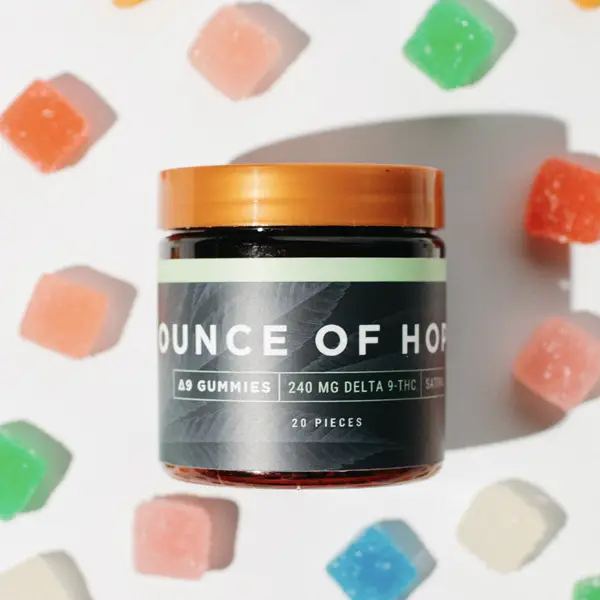
If a seller can provide batch-specific documentation, clearly state per-serving dosing, list ingredients responsibly, and explain how they handle shipping and issues, you are already in a safer buying zone. If they cannot, you are relying on luck.
So before you Buy online THC delta 9, ask the questions that force clarity. The right answers do not feel like a performance. They feel like someone who has shipped thousands of orders, knows the details, and understands that a customer’s trust is earned one batch at a time.